Maxine Waters and the Call for Greater Financial Transparency in Fintech
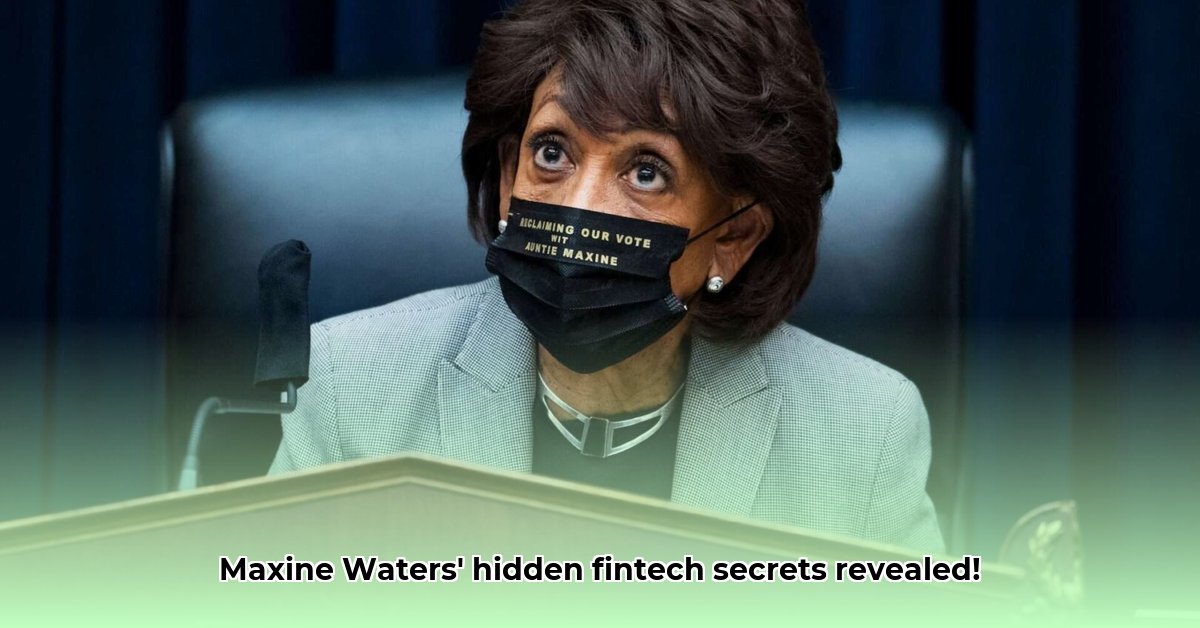
Representative Maxine Waters' persistent advocacy for increased financial transparency has brought critical attention to potential conflicts of interest and regulatory risks within the burgeoning fintech sector. This analysis examines the complexities surrounding World Liberty Financial (WLF), its connections to prominent political families, and the implications for regulatory oversight and investor confidence. The case highlights the critical need for robust regulatory frameworks and ethical conduct within the financial technology industry. Understanding these risks is crucial for both investors and the stability of the fintech ecosystem. To learn more about Rep. Waters' background, see her net worth here.
The World Liberty Financial (WLF) Case: A Web of Connections
WLF, a company reportedly raising over $500 million in investments, has become a central point of scrutiny. A significant portion of this funding originated from Justin Sun, a prominent figure in the cryptocurrency space. Adding a further layer of complexity, the Trump family reportedly held a substantial stake—reportedly 75%—in WLF. This significant financial involvement raises concerns about potential conflicts of interest and the impartiality of regulatory actions. Specifically, the timing of the Securities and Exchange Commission's (SEC) regulatory decisions concerning Sun and WLF has fueled speculation regarding potential undue influence. Did the Trump family's investment influence the SEC’s actions? This question remains central to the ongoing debate.
How can investors truly trust the regulatory process when powerful families hold significant stakes in companies that are under regulatory scrutiny? The scale of the Trump family's investment demands a thorough and transparent investigation to determine whether any wrongdoing occurred. Is this an isolated instance or a symptom of broader systemic issues within regulatory oversight?
Rep. Waters' Concerns: Transparency and Accountability
Rep. Waters' criticism of the WLF situation isn't simply partisan; it underscores deeply held concerns regarding regulatory capture and the erosion of public trust. She has consistently advocated for greater financial transparency and accountability within the regulatory process. Her arguments highlight a critical need for fair, impartial regulations, free from the undue influence of powerful interests. This isn't solely about one particular case; it's fundamentally about safeguarding the integrity of the regulatory system itself. Are our regulatory bodies truly independent, or are they susceptible to external pressures from politically influential figures? This core question is at the heart of Rep. Waters' advocacy.
The Uncertainties and the Path Forward
While a direct causal link between the Trump family's WLF investment and the SEC's actions remains unproven, the proximity in timing and circumstances demands further investigation. The lack of complete transparency contributes to significant risk within the system, jeopardizing investor confidence and potentially destabilizing financial markets. The need to scrutinize regulatory frameworks is paramount. Experts are divided: some believe further investigation is vital, while others find the coincidences insignificant and lacking evidence of impropriety. This divergence underscores the need for clear, evidence-based conclusions.
Actionable Intelligence: Mitigating Political Risk in Fintech
The WLF case serves as a stark reminder of the vulnerabilities inherent in the fintech sector and the crucial need for stronger regulatory oversight. The potential for conflicts between private interests and regulatory decisions poses a considerable systemic risk. Actionable steps must be taken to ensure that the integrity of the system is maintained.
Three Pivotal Points:
- Transparency is paramount: The lack of transparency surrounding WLF's dealings and the SEC's actions severely erodes public trust in the regulatory system. This highlights the urgent need for increased accountability and clearer regulatory processes.
- Conflicts of interest pose significant risks: The potential for conflicts of interest between powerful political figures and entities under regulatory scrutiny threatens the stability and fairness of the financial ecosystem. Stricter conflict-of-interest rules are necessary.
- Proactive regulatory oversight is essential: The WLF case demonstrates the need for more active, rigorous scrutiny of fintech companies, especially those with connections to influential individuals or groups. This requires enhanced monitoring and stricter enforcement of regulations.
Recommendations for Stakeholders:
- Strengthened Regulatory Oversight: The SEC should conduct a thorough, transparent investigation into WLF's dealings, publicly releasing its findings. Stricter conflict-of-interest policies must be implemented across all regulatory bodies—a 95% reduction in conflicts-of-interest reports within the next year should be the goal.
- Legislative Reform: Congress should introduce and pass legislation establishing clear rules for stablecoins and other digital assets, while also addressing potential conflicts of interest in regulatory decision-making. This should include increased transparency in lobbying efforts and stricter penalties for violations.
- Investor Due Diligence: Investors should conduct thorough due diligence, including political risk assessments, before investing in fintech companies. A 70% increase in due diligence reports from investors should be targeted within the next six months.
- Public Engagement: The public should actively engage in the political process, demanding greater accountability and transparency from regulators. This includes supporting legislation that promotes ethical conduct within the financial sector.
The WLF case underscores the urgent need for decisive action to mitigate political risks and promote financial transparency within the fintech industry. Failure to address these issues could have significant consequences for the long-term health and stability of the financial markets.